Roof Repair
Leaks, missing or lifted shingles, flashing, vents, storm damage, and other problem areas.
Start with a free estimate. Whether you have a leak, storm damage, missing shingles, or an older roof, tell us what is going on and we’ll help you figure out the next step.
Colorado roofs take a beating from hail, wind, snow, sudden temperature changes, and strong sun. Sometimes the fix is a small repair. Sometimes the damage is wider than it looks from the ground. You should not have to guess—or climb a ladder—to find out.
Tell us what you have noticed. A local roofing professional can inspect the roof, explain the condition in plain language, and give you a clear estimate for the work that makes sense.
Leaks, missing or lifted shingles, flashing, vents, storm damage, and other problem areas.
Options for aging or heavily damaged roofs, including shingles, metal, tile, low-slope systems, and synthetics.
A closer look after a storm, before a real estate closing, or when an older roof raises concerns.
Documentation of visible damage and practical information about the work that may be needed.
Gutters, siding, soffit, fascia, skylights, windows, painting, stucco, and other exterior repairs.
Help documenting damage and understanding the repair scope. Your carrier determines coverage.
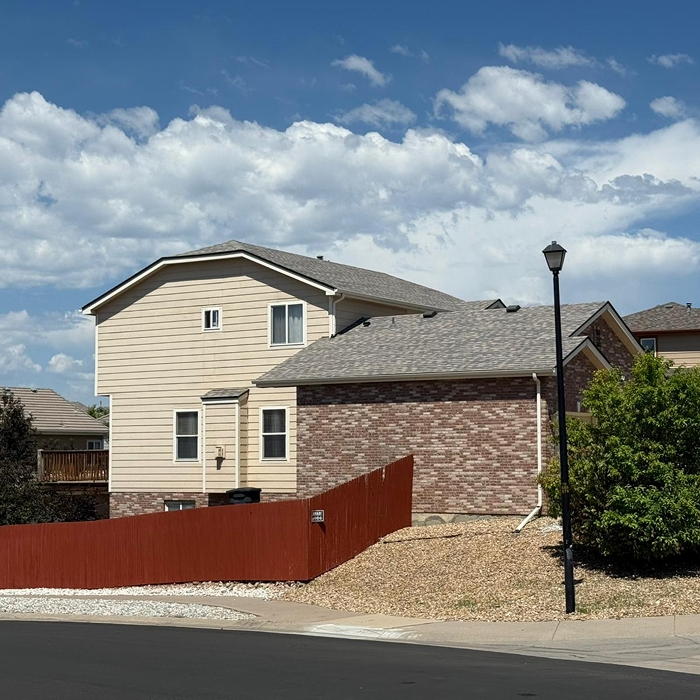
A roof does not automatically need replacement because it has a leak. The right choice depends on where water is getting in, how much of the roof is affected, the condition of the shingles and decking, and whether repairs have already been made in the same area.
You may see obvious damage, such as missing shingles or a new leak. Hail damage can also be hard to spot from the yard. Do not climb onto a wet or damaged roof yourself.
A roofer can document visible conditions and explain the likely repair scope. Your insurance company decides coverage.
Request a Storm-Damage Estimate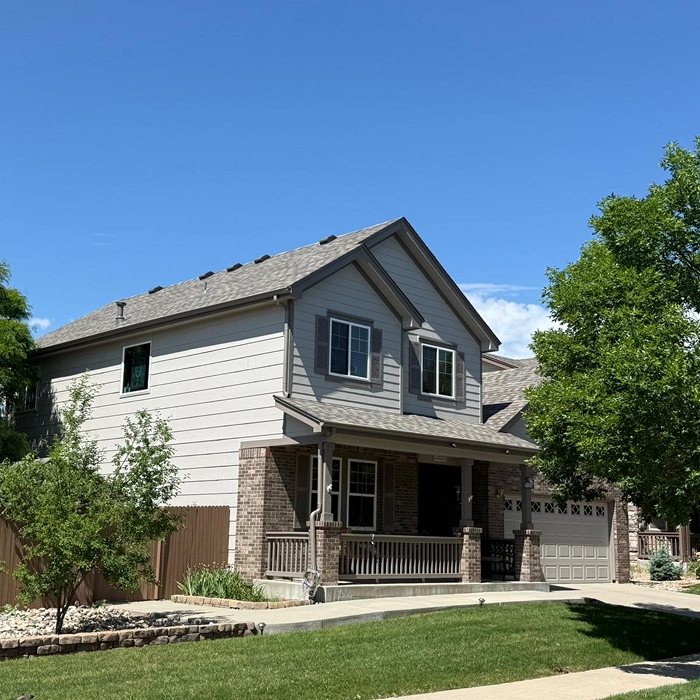
There is no honest one-price answer. Size, pitch, material, tear-off, decking repairs, access, ventilation, flashing, and permit needs all affect the estimate. An inspection gives you a number based on your actual roof.
Many asphalt shingle roofs last about 15–30 years; metal may last longer. Hail, wind, strong sun, ventilation, installation quality, and maintenance all affect useful life.
It may cover damage caused by a covered event such as hail or wind. Normal aging and neglected maintenance are usually handled differently. Coverage depends on your policy and the carrier’s decision.
The cause matters. A sudden leak tied to covered storm damage may qualify, while a long-term leak caused by age or poor maintenance may not. Document what you see and contact your insurer.
You report the loss, provide the storm date and documentation, and the carrier evaluates the claim. A roofer can document damage and prepare an estimate; the insurer decides coverage.
Replacement may make sense when damage is widespread, leaks keep returning, repairs are no longer practical, or the roof is near the end of its service life. An isolated problem may still be repairable.
Yes, when weather and product requirements allow. Crews must plan around temperature, wind, snow, ice, and manufacturer guidelines. Urgent damage should still be inspected.
Common causes include missing shingles, failed flashing, damaged vents, clogged drainage, ice-related damage, and storm impact. Water can travel, so the interior stain may not sit below the entry point.
Wind, age, weak sealing, improper fastening, and installation problems can lift shingles. Once edges rise, wind and water can get underneath. The cause matters as much as the visible symptom.
Metal usually has a longer potential life but costs more upfront. Asphalt shingles remain popular because they are affordable and available in many styles. The better choice depends on the home and budget.
Most use a fiberglass mat coated with asphalt and topped with mineral granules. The granules add color and help protect the asphalt from sunlight and weather.
Free inspections and estimates are available for many repair, replacement, and storm-damage concerns. Use the chat to describe the issue and ask what is included.
These cover the questions homeowners usually have before they are ready to talk with a roofer.
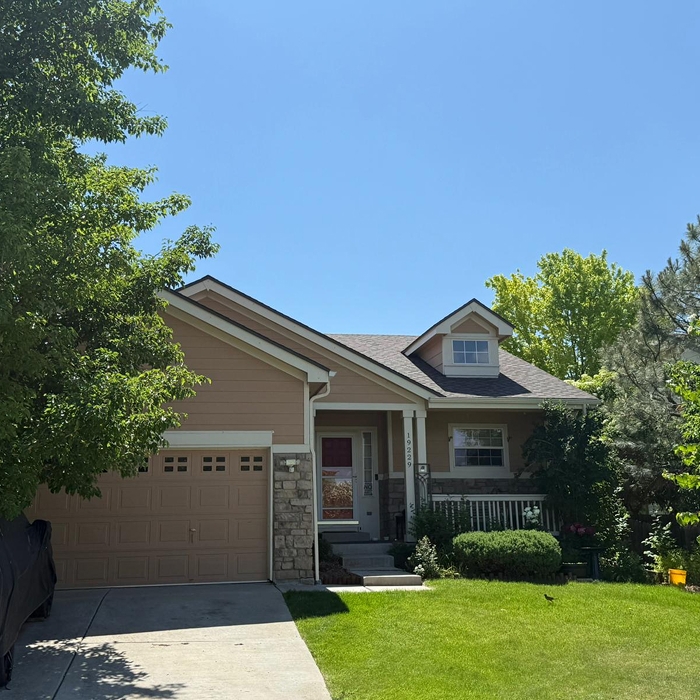
What to document, what not to do, and when to request an inspection.
Start from the ground. Photograph hailstones if they are still present, along with dents in gutters, downspouts, vents, siding, window trim, or outdoor equipment. Inside, photograph ceiling stains or damp areas. Write down the storm date and when you first noticed the problem.
Wet, bruised, or loose shingles are unsafe. Walking on them can also create more damage. A professional can inspect shingle surfaces, flashing, vents, gutters, and other areas without asking you to take that risk.
Hail can knock protective granules from shingles or bruise the mat underneath. Wind may lift edges, loosen flashing, or expose fasteners. A roof may look fine from the driveway while still needing a closer look.
Move belongings away from the wet area and contain active drips. If water is near electrical fixtures, keep clear and contact an appropriate professional. Leave roof access to someone equipped to work safely.
Save photos, the storm date, inspection notes, estimates, claim documents, and messages together. A roofer can explain visible damage and proposed work; the insurance carrier decides coverage.
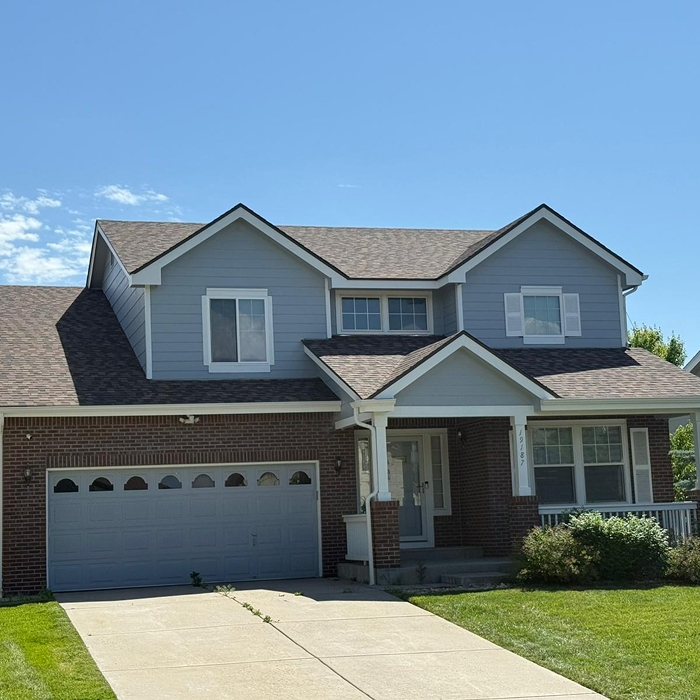
Your roofer documents the work. Your insurance company decides coverage.
A roof claim generally starts when a homeowner reports damage from a specific event, such as hail, wind, or a fallen limb. The insurer will ask for the date of loss and basic information about what happened.
A contractor can inspect visible conditions, photograph damage, explain whether repair or replacement appears practical, and prepare an estimate. The roofer cannot promise claim approval or decide what the policy covers.
The carrier reviews the policy, deductible, cause of loss, roof condition, and inspection findings. Ask your adjuster to explain depreciation, supplements, deadlines, and differences between scopes.
Keep copies of estimates, carrier documents, photos, invoices, and messages in one place.
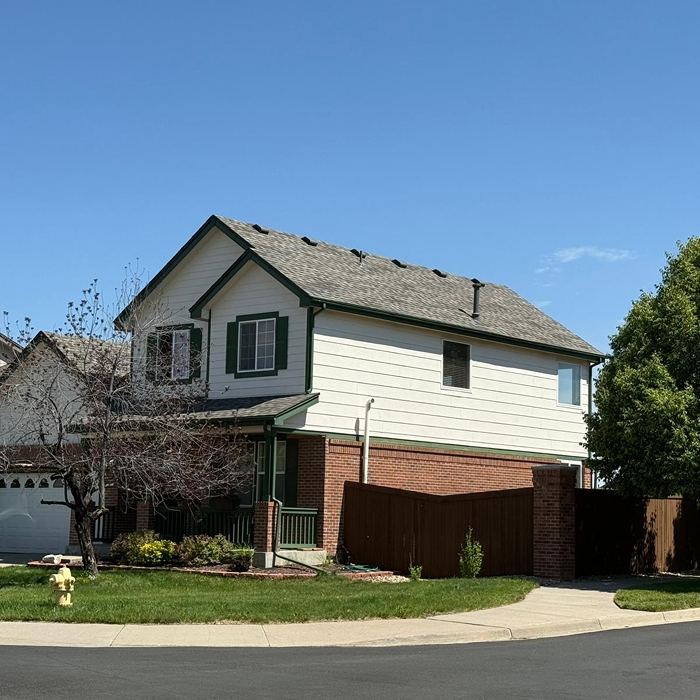
A leak is one sign, but smaller exterior changes can warn you earlier.
When edges lift or pieces go missing, wind-driven rain can reach the layers below. One damaged area may be repairable; widespread wear needs a broader evaluation.
A little loss can be normal. Heavy or uneven loss may expose the asphalt to sunlight and speed up aging. Bare patches after hail deserve attention.
Ceiling stains, bubbling paint, damp insulation, and musty odors can point to water entry. The source may be uphill from the visible stain.
Chimneys, skylights, plumbing vents, wall intersections, and valleys rely on careful flashing. Bent, loose, rusted, or poorly sealed details are common leak points.
A second or third repair in the same area can signal a larger installation, drainage, or aging issue. Compare another repair with the expected life of a more complete solution.
Request an estimate for a home in Aurora or the surrounding Denver metro area. Availability depends on the property and type of work.